Romany Gerald James 2nd World War Chindit service remembered – by Johnboy James
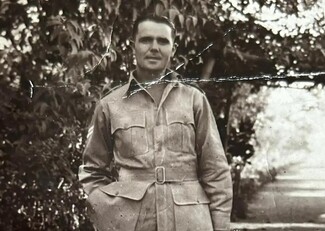
“Many (Romanies) were in special units as most the men they were looking fir was more than just following orders - they needed foki to use their own initiative and Rumnies especially then was cushty that way,” says Johnboy James. “My own grandads other cousin was also behind enemy lines.”
Johnboy James remembers George James – who fought in the Second World War in Burma as part of the ‘Chindit ‘Long Range Penetration Group.
Chapter 1: The Dorset Vardo
George James was born into a Romany Gypsy family with deep roots in the Poole and Dorset area. His ancestors were part of a community that travelled the highways of Dorset and Hampshire, often working as hawkers or agricultural labourers. By the time George reached adulthood, the traditional lifestyle was beginning to shift toward "settled" life in local cottages, but the Romany identity remained a core part of his character: quiet, hardworking, and deeply connected to the local land.
Chapter 2: Into the Green Hell
When World War II broke out, George joined the army and was eventually selected for one of the most dangerous assignments of the war: the Chindits. Formally known as the Long Range Penetration Groups, these units were led by the eccentric Brigadier Orde Wingate.
George would have undergone brutal training in the Indian jungle to prepare for Operation Longcloth or subsequent missions. As a Chindit, he was part of a "Column"-a self-contained unit that marched hundreds of miles behind Japanese lines in Burma. They carried everything on their backs or on mules, navigating "Green Hell" terrain filled with leeches, malaria, and the constant threat of ambush.
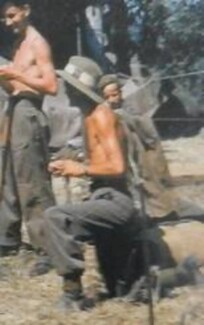
Chapter 3: The Smoking Outpost
The most famous account of George's war service is the story of his "narrow escape". The Setting: George was stationed at a remote outpost on a hill in the Burmese jungle. The Conflict: A heavy smoker, George was forbidden from lighting up by his superior officer, as the drifting smoke would reveal their position to Japanese scouts.
The Miracle: Driven by his craving, George slipped away from the post and moved far down the hill to have a quiet cigarette in secret. The Aftermath: While he was away, a Japanese force launched a sudden, overwhelming attack on the hill. Every man at the outpost was killed. George returned to find he was the sole survivor, spared only by his decision to break orders for a smoke.
Chapter 4: The Quiet Man of Poole
After surviving the horrors of the Burma campaign-where many died not from combat but from "Chindit Syndrome" (exhaustion and disease)-George returned to Poole. He married a woman named Doris and settled into a peaceful, humble life.
His great-niece, Christina Allen, remembers him as a "very quiet and humble" man who preferred the company of his chickens to talking about the war. Like many veterans of the "Forgotten Army,” George rarely boasted of his heroics, carrying the weight of his survival with characteristic Romany stoicism.
By Johnboy James
(Images (portrait of George James and image of George James in action in Burma) courtesy of Johnboy James)
With thanks to the Facebook Group GYPSY/TRAVELLERS FAMILY PAST AND PRESENT